Mining
From gold and copper to lithium and rare earths, the materials mined from the earth fuel nearly every sector of the global economy. Tracking discoveries, geopolitical shifts, and commodity trends is essential to understanding the future of global industry and resource investment.


Could America Revalue Gold to $180,000? Bill Holter Explains Why It’s Possible
Bill Holter lays out the case for why America’s swelling debt burden and rising financing costs could eventually force policymakers to rethink the role of gold. His argument centers on a potential monetary reset, the fragility of Treasury collateral and what a major gold revaluation could mean for the dollar and global financial system.

Could the U.S. Treasury Return to Its 1934 Gold Playbook?
Former Swiss banker Clive Thompson explains how America’s rising debt burden could eventually push policymakers toward revaluing the nation’s gold reserves. He also explores what that could mean for Treasury yields, government financing, and the future of the monetary system.
.png)
Finding the Next 10X Mining Stock
The next 10X mining stock will not be found by chasing hype. Jeff Clark reveals how he evaluates junior gold stocks, from geology and drill results to management ownership, dilution, economics, and the warning signs that can destroy a promising story.

The Real Fort Knox Question Is No Longer Whether the Gold Exists
Fort Knox may still be full of gold. But according to Stefan Gleason, the real issue is whether America’s gold is audited, pure, liquid, unencumbered and ready to use in a crisis...

Gold Is Not the Bet. It’s the Escape.
Alasdair Macleod argues that investors are looking at gold the wrong way. In his view, gold is not rising because it is suddenly a better trade. It is revealing a deeper loss of confidence in fiat currency, sovereign debt, and the credit system itself.

Who Is Draining the Silver Market?
Andy Schectman says silver’s correction may be hiding a major shift in the global silver market as physical silver moves from West to East. This article explores COMEX silver outflows, China silver demand, Shanghai premiums, paper silver markets, physical delivery, precious metals, and what it could mean for investors.

Silver in 2026: Opportunity of a Generation or Another Dead Money Trap?
Silver enters 2026 caught between a powerful structural bull case and the risk of another brutal trap. With supply deficits, rising industrial demand, and pricing power shifting east, investors must decide whether this is a generational breakout or another painful lesson in silver’s volatility.
Jared Dillian Warns The Old Portfolio Is Breaking
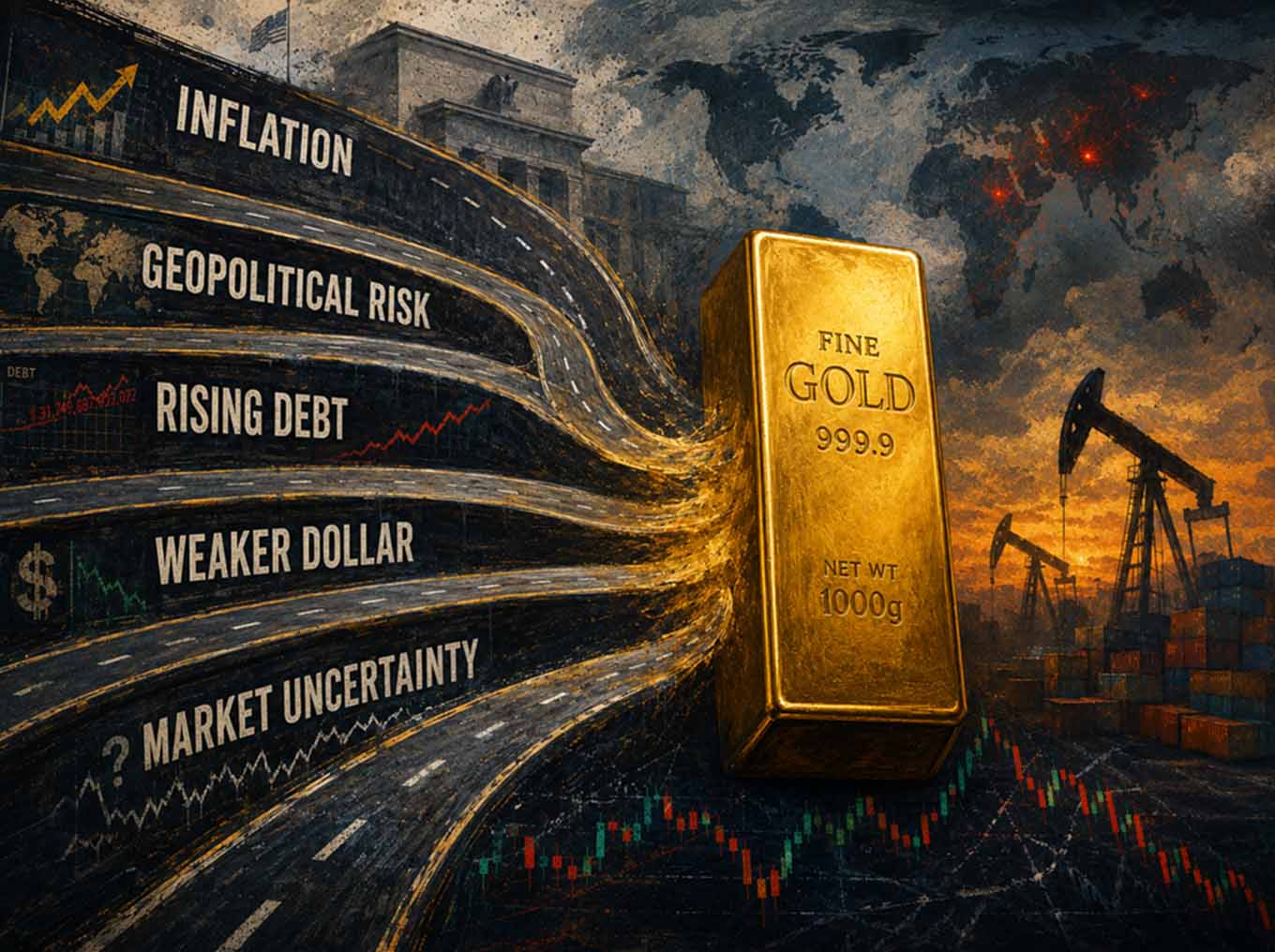
Jared Dillian believes the next decade may look more like the 1970s than the 2010s, with commodities, gold, energy, and international markets potentially outperforming traditional U.S. stock and bond portfolios. He argues that stocks are underpricing recession risk, the dollar remains overvalued, and investors may need broader diversification as the old 60/40 playbook comes under pressure.

How Serious Investors Read Drill Results
A good drill hole can move a stock, but it does not automatically make a deposit. This article breaks down how serious junior mining investors should read drill results, from grade and width to continuity, structure, dilution and whether a company is actually proving a system.

Has Gold Failed Its Geopolitical Test Or Did the Dollar Just Win the First Round?
Gold did not fail when war broke out. The dollar simply won the first wave of panic buying. In this piece, John Rubino explains why money still rushes into the U.S. financial system during early fear, why that does not weaken the long-term case for gold, and how central bank buying, supply constraints, and prolonged conflict could still drive precious metals higher.