PinnacleDigest


Clem Chambers: This Market Is a Bubble, and It Could Go Much Higher
Clem Chambers says today’s market may be entering a true speculative bubble, not a normal bull market. He explains why AI, liquidity and copper could drive another major leg higher before the eventual break.

The S&P 500 Is Near Record Highs. Underneath, the Market Is Telling a Different Story
The S&P 500 remains near record highs, but beneath the surface the market has become increasingly concentrated in a small group of mega-cap technology and AI stocks. History shows that extreme concentration can persist for a time, but the crashes of 1973 and 2000 are reminders that when leadership narrows and speculation accelerates, retail investors can be especially vulnerable when sentiment turns.

The Fed May Have to Break the Economy to Break the Bond Market
The last time U.S. Treasury yields were this high, federal debt was roughly one-quarter of its current size. With more than $40 trillion now outstanding, today's bond-market stress may force the Federal Reserve into a far more painful choice than investors faced in past cycles.

Bill Holter Told Me to Watch The Great Taking. I Did. Now I Have Questions.
Bill Holter challenged me to watch The Great Taking. I expected another argument about Wall Street excess. Instead, I found a much deeper question hiding underneath modern markets: when a financial intermediary fails, what do you actually own?

Could America Revalue Gold to $180,000? Bill Holter Explains Why It’s Possible
Bill Holter lays out the case for why America’s swelling debt burden and rising financing costs could eventually force policymakers to rethink the role of gold. His argument centers on a potential monetary reset, the fragility of Treasury collateral and what a major gold revaluation could mean for the dollar and global financial system.
100K+ INVESTORS FOLLOW OR SUBSCRIBE TO US

The Venture Capital Boom Has a Resource Problem
Venture capital is pouring hundreds of billions into AI, but the market may be ignoring the harder problem beneath the boom. Data centers need power, copper, critical minerals, transmission, and mines that cannot be built overnight.
.jpg)
The Bull Market’s Final Trap: Why the Next Rally Could Be the Most Dangerous
David Hunter believes the market may be approaching its most explosive phase yet, with the S&P 500 potentially surging toward 10,000 before a historic reversal. His larger warning is that the habits which enriched investors for decades may become dangerous when the cycle finally changes.
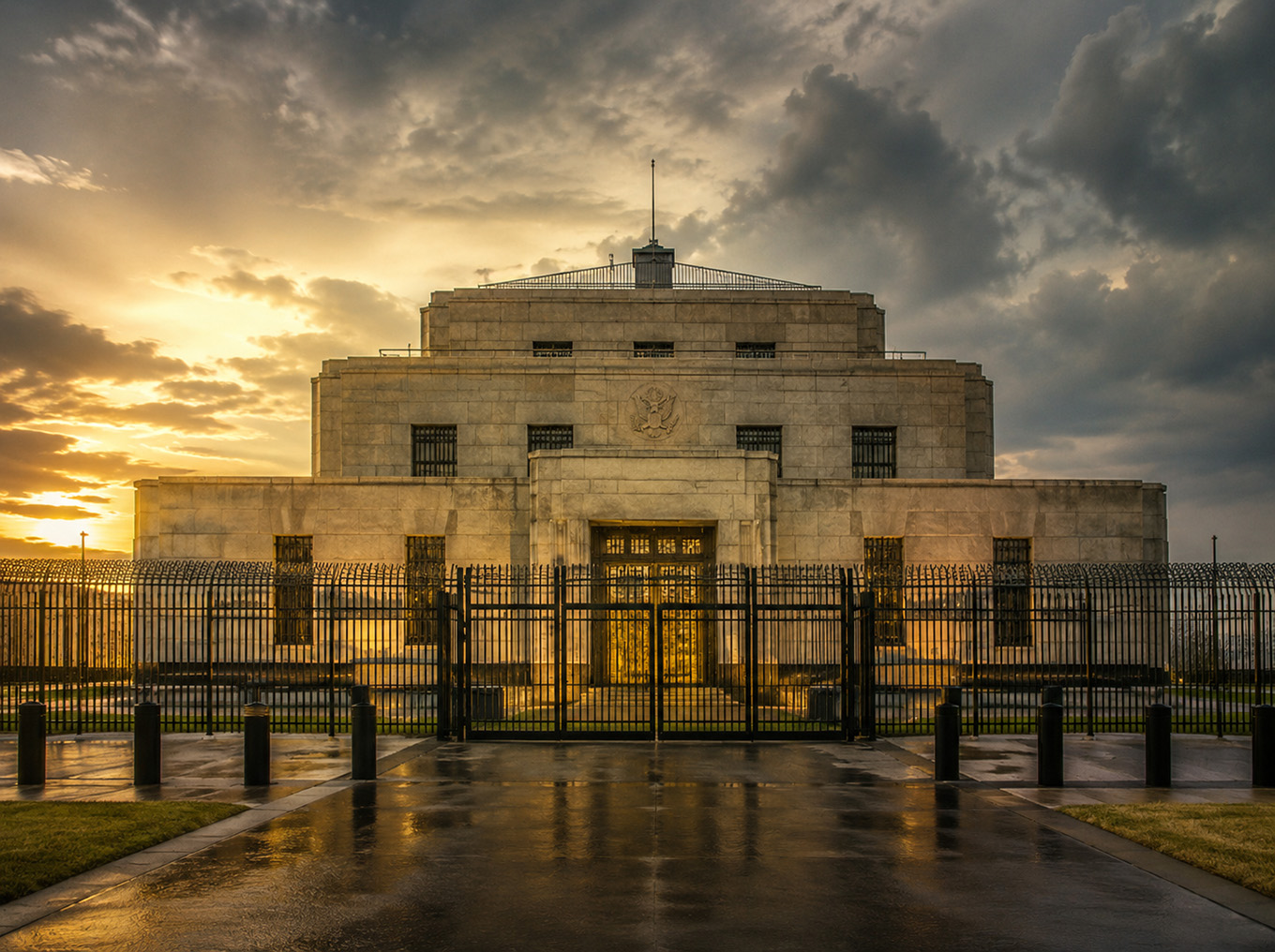
The Real Fort Knox Question Is No Longer Whether the Gold Exists
Fort Knox may still be full of gold. But according to Stefan Gleason, the real issue is whether America’s gold is audited, pure, liquid, unencumbered and ready to use in a crisis...

Gerald Celente Warns the Iran Crisis Isn’t Over and an AI Crash May Be Next
Gerald Celente warns that the apparent easing of the Iran crisis may be temporary, while the deeper damage from inflation, slowing growth and geopolitical instability continues to spread. He also argues that the debt-fueled AI buildout increasingly resembles dot-com 2.0, with markets celebrating headlines while ignoring mounting structural risks.

The Economy Isn't Healing. It's Being Medicated
Markets are near record highs. Politicians insist the economy is strong. Yet millions of young people feel further away from home ownership, financial security, and the future their parents took for granted. After my latest conversation with Gerald Celente, I found myself thinking less about inflation, AI, or even geopolitics, and more about where all of this is leading politically.
I’ve Owned Gold for 10 Years. I’m Only Now Understanding Why
Aaron Hoddinott has owned gold for more than a decade, but after interviewing Alasdair Macleod, he is reconsidering what gold really is. Not a trade. Not a hedge. Maybe not even an investment.

Gold Is Not the Bet. It’s the Escape.
Alasdair Macleod argues that investors are looking at gold the wrong way. In his view, gold is not rising because it is suddenly a better trade. It is revealing a deeper loss of confidence in fiat currency, sovereign debt, and the credit system itself.

Social Security Insolvency: The Promise America Can No Longer Afford?
Social Security’s retirement trust fund is projected to run out in 2032, leaving enough revenue to pay only about 78% of promised benefits. The shortfall raises bigger questions about U.S. deficits, entitlement promises, and long-term confidence in the dollar.

Who Is Draining the Silver Market?
Andy Schectman says silver’s correction may be hiding a major shift in the global silver market as physical silver moves from West to East. This article explores COMEX silver outflows, China silver demand, Shanghai premiums, paper silver markets, physical delivery, precious metals, and what it could mean for investors.

Silver in 2026: Opportunity of a Generation or Another Dead Money Trap?
Silver enters 2026 caught between a powerful structural bull case and the risk of another brutal trap. With supply deficits, rising industrial demand, and pricing power shifting east, investors must decide whether this is a generational breakout or another painful lesson in silver’s volatility.

James Lavish: the Debt Spiral Has Begun
In this interview, Lavish explains why rising yields, currency debasement, Treasury market stress, and renewed money printing could reshape the outlook for stocks, gold, Bitcoin, and the U.S. dollar. His warning is simple: the system may not collapse overnight, but investors could be forced to protect themselves from a slow, grinding loss of purchasing power.
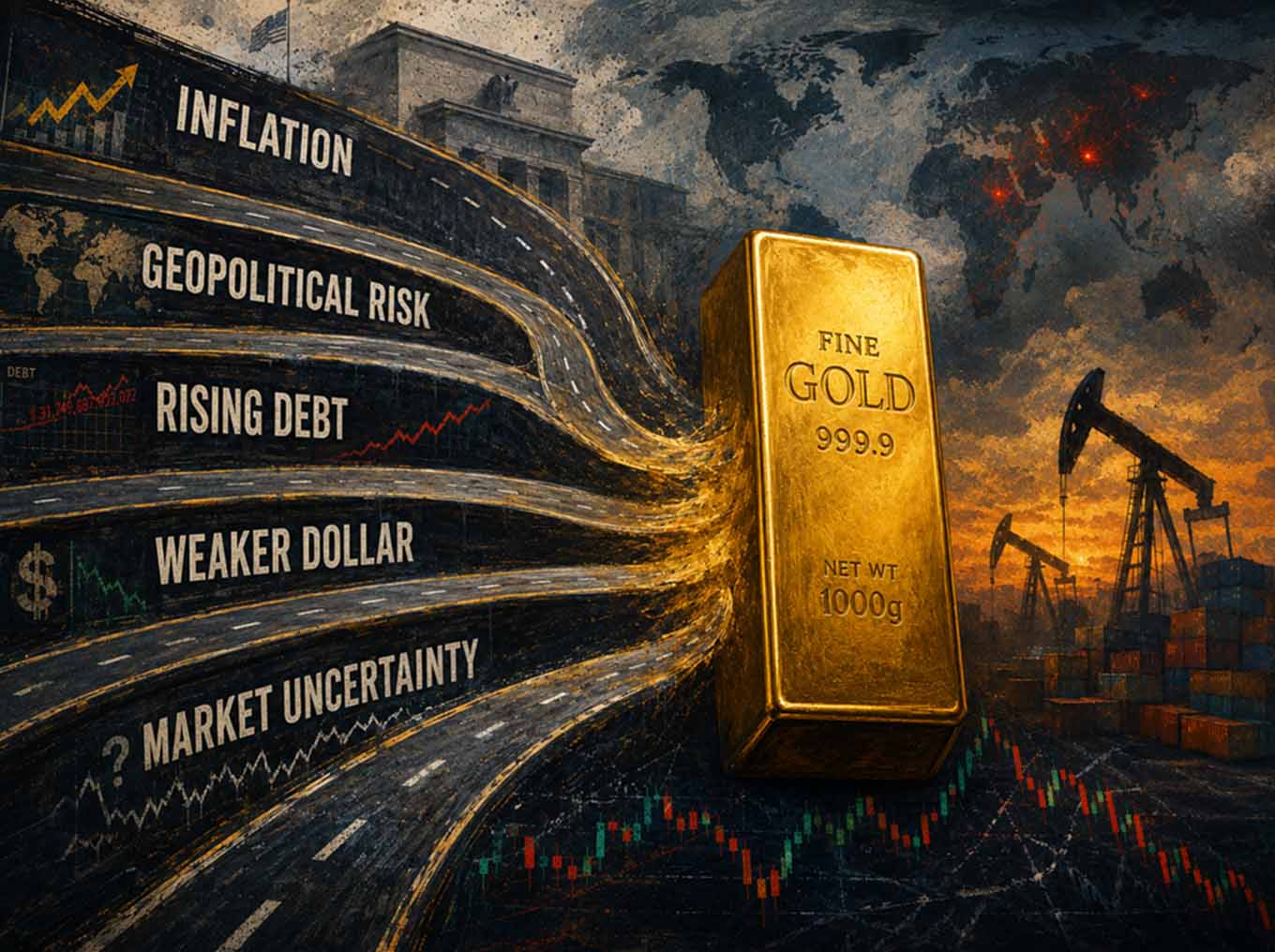
Jared Dillian Warns The Old Portfolio Is Breaking
Jared Dillian believes the next decade may look more like the 1970s than the 2010s, with commodities, gold, energy, and international markets potentially outperforming traditional U.S. stock and bond portfolios. He argues that stocks are underpricing recession risk, the dollar remains overvalued, and investors may need broader diversification as the old 60/40 playbook comes under pressure.
100K+ INVESTORS FOLLOW OR SUBSCRIBE TO US
Be part of our investor community. Get sharp insight on capital flows, emerging technologies, commodity cycles, and macro trends shaping tomorrow’s markets.
