PinnacleDigest


Clem Chambers: This Market Is a Bubble, and It Could Go Much Higher
Clem Chambers says today’s market may be entering a true speculative bubble, not a normal bull market. He explains why AI, liquidity and copper could drive another major leg higher before the eventual break.

The S&P 500 Is Near Record Highs. Underneath, the Market Is Telling a Different Story
The S&P 500 remains near record highs, but beneath the surface the market has become increasingly concentrated in a small group of mega-cap technology and AI stocks. History shows that extreme concentration can persist for a time, but the crashes of 1973 and 2000 are reminders that when leadership narrows and speculation accelerates, retail investors can be especially vulnerable when sentiment turns.

The Fed May Have to Break the Economy to Break the Bond Market
The last time U.S. Treasury yields were this high, federal debt was roughly one-quarter of its current size. With more than $40 trillion now outstanding, today's bond-market stress may force the Federal Reserve into a far more painful choice than investors faced in past cycles.

Bill Holter Told Me to Watch The Great Taking. I Did. Now I Have Questions.
Bill Holter challenged me to watch The Great Taking. I expected another argument about Wall Street excess. Instead, I found a much deeper question hiding underneath modern markets: when a financial intermediary fails, what do you actually own?

Could America Revalue Gold to $180,000? Bill Holter Explains Why It’s Possible
Bill Holter lays out the case for why America’s swelling debt burden and rising financing costs could eventually force policymakers to rethink the role of gold. His argument centers on a potential monetary reset, the fragility of Treasury collateral and what a major gold revaluation could mean for the dollar and global financial system.
100K+ INVESTORS FOLLOW OR SUBSCRIBE TO US

The Panic Premium | M&A Activity About to Surge
The last gold bull market didn’t climax with price alone; it ended in billion-dollar buyouts and 30 to 60 percent premiums. From 2001 to 2011, gold surged from under $300 to over $1,500 before major players truly began scrambling for ounces. Today, with gold pressing historic highs again, investors are asking a familiar question: when does the panic premium return?

How to Think Like a Venture Capitalist in Small-Cap Markets
Small-cap markets reward investors who understand the difference between progress and proof. Aaron Hoddinott examines how venture capital thinking applies to sub-billion dollar companies across sectors like AI and mining, where announcements are often mistaken for outcomes.
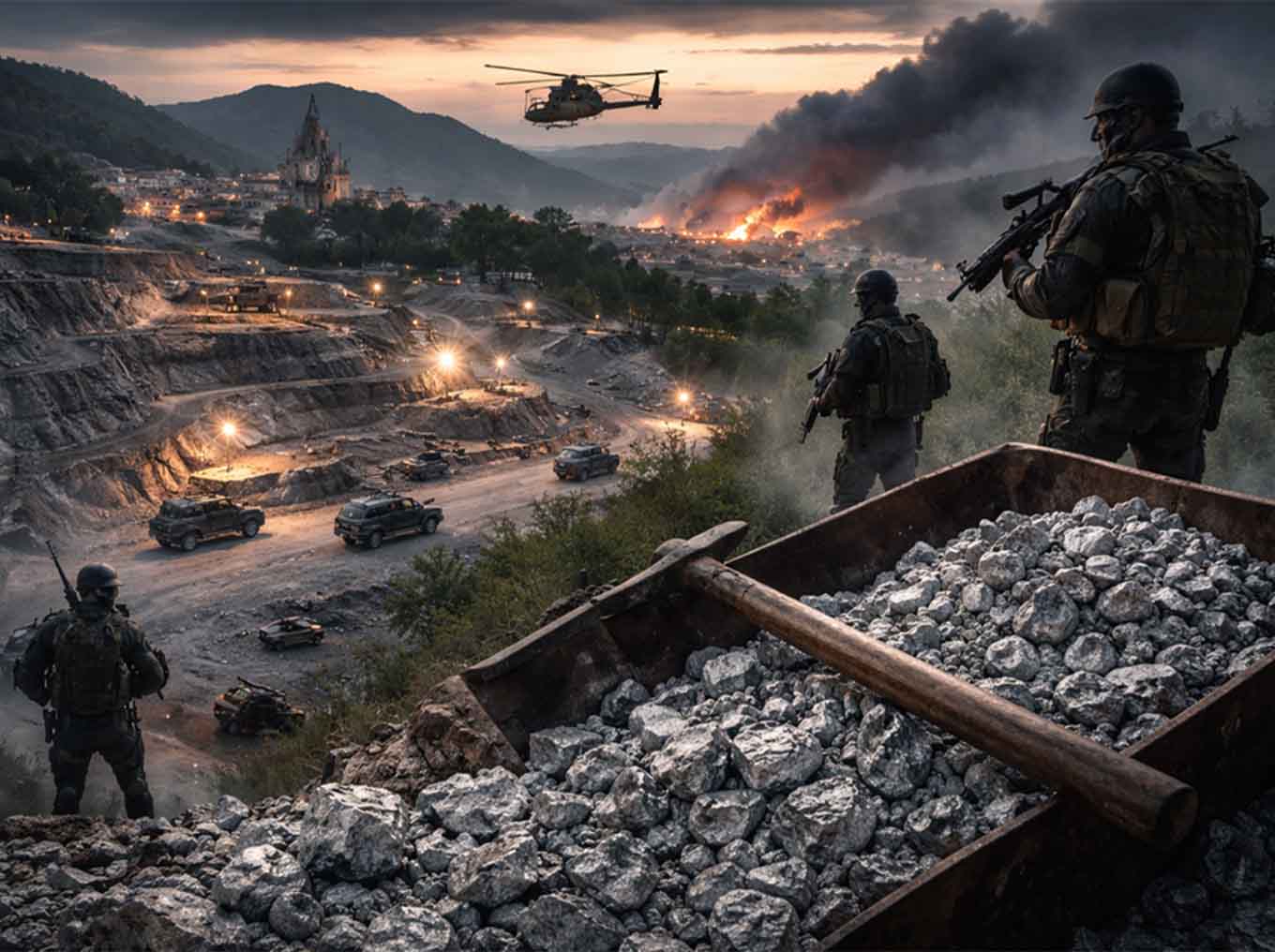
Mexico’s Silver War: Cartels, Politics, and the Rising Risk to Global Supply
For centuries, silver has shaped Mexico’s fortunes and fueled conflict across its mining regions. As cartel violence intensifies in key production states, investors are being reminded that extracting precious metals in Mexico has never been purely about geology. The country’s long and dangerous history with silver may once again collide with global supply.

I Invited a Priest on My Show to Argue Against Gold. Here’s What Happened.
What happens when a gold-biased investor invites a priest and hedge fund CIO to challenge the metals trade head-on? A conversation about fear, conviction, value investing, and why even the strongest theses deserve pressure testing.

The Metal Nobody Talks About | Gallium
Gallium rarely makes headlines, yet it plays a critical role in the systems that power modern life, from AI data centers and satellite communications to advanced radar and high-efficiency power electronics. Supply is heavily concentrated, production is tied to complex industrial processes, and recent export controls have exposed just how fragile the chain can be. Understanding gallium means understanding a quiet pressure point in the global economy.

The Great Repricing: Control, Debt, Productivity & Why Asset Owners Win the Next Era
We are not entering a normal market cycle. We are entering a repricing driven by debt saturation, slowing demographics, and a surge in AI-led productivity. In this macro shift, currency dilution, policy pressure, and supply constraints are changing how capital behaves.
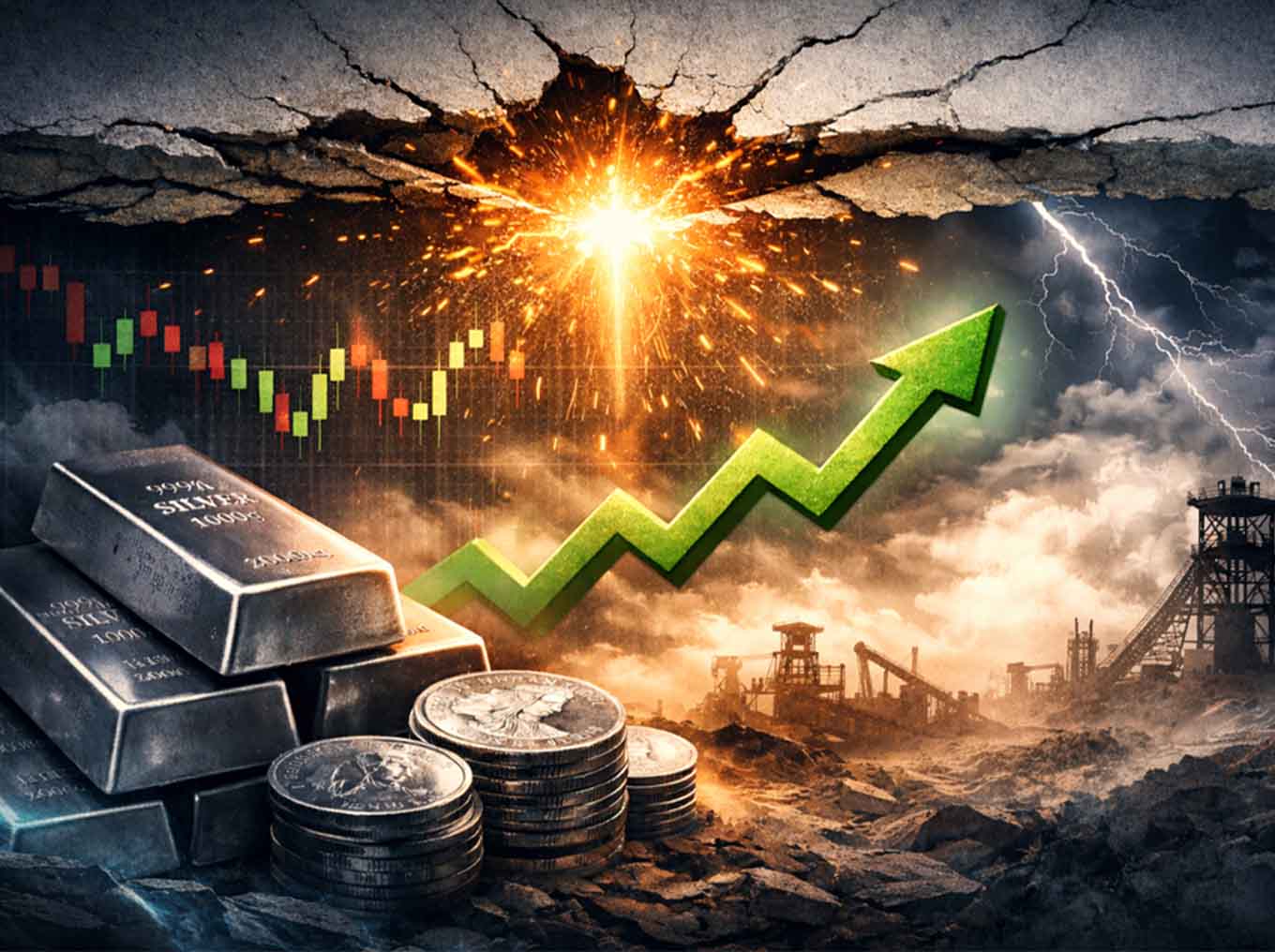
Michael Oliver’s Silver Blueprint
Michael Oliver’s core message is that silver isn’t acting like a normal bull market. It’s attempting to create a “new reality”, repricing after decades trapped under a long-term ceiling. The correction he warned about may have been the classic midpoint fakeout seen in past silver surges, and if the rebound holds, the next phase could be where both silver and silver miners surprise investors to the upside.

The Crash That Visits Every Bull Market
Gold and silver have just suffered one of their sharpest corrections in decades, and history suggests this may be far more typical than investors realize. By comparing today’s drawdown to the great precious metals bull markets of the 1970s and the 2000s, this article separates emotional panic from historical patterns. The result is a clearer framework for understanding whether this crash marks an end… or a reset.

Silver Is Getting Too Small to Contain the World’s Demand
Silver isn’t just rising in price; it’s colliding with the limits of its own market structure. With silver trading above $100, a small, fragile market is being asked to absorb massive industrial demand, investor fear, and a breakdown in the hedging systems that normally keep things stable. This article explains why silver’s size, not speculation, is the real reason it’s becoming dangerous, and explosive.
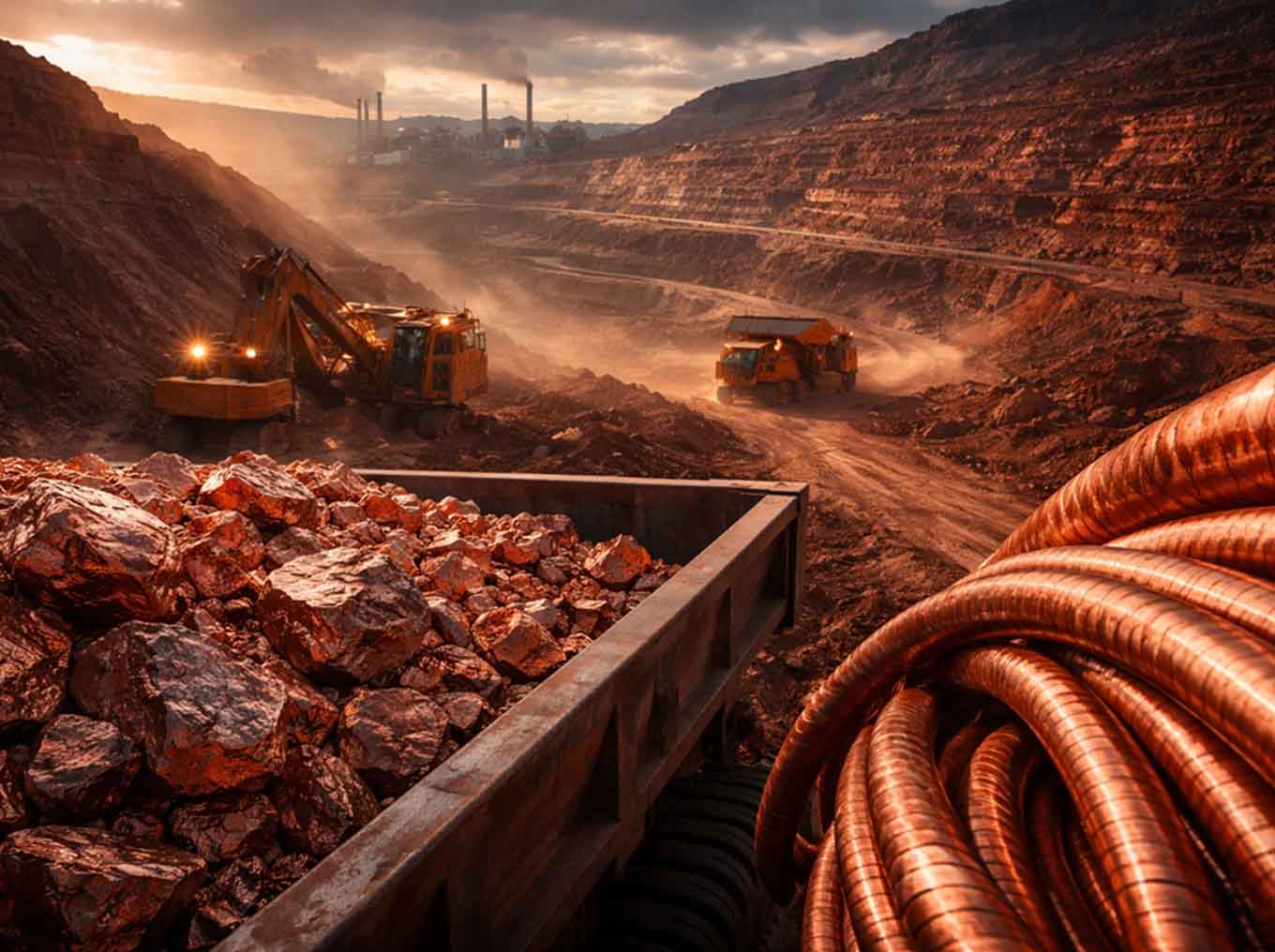
Copper’s Breaking Point: Why America’s Next Copper Mines Won’t Arrive in Time
Copper isn’t entering a normal late-stage bull market; it’s entering a mechanical breakdown, where the system that balances supply and demand is failing. When 2026 benchmark treatment and refining charges are set at $0, it signals something darker than “tight inventories”: concentrate scarcity, smelter dysfunction, and a supply chain that can’t respond to price. In this piece, we break down why copper deficits are turning structural, and why America’s list of “real” copper mines coming online is shockingly short.

The Oil Mirage: Why Venezuela Won’t Flood the Market
Venezuela’s oil revival is widely misunderstood. This article explains why political change won’t quickly unleash cheap crude, and why Canada’s heavy oil assets remain strategically vital in a fragmented global energy market.

A Year-End Market Outlook: From Abundance to Scarcity
A sober look at the structural forces reshaping markets, from scarcity and geopolitics to capital discipline, and why patience and judgment will define the next chapter.
100K+ INVESTORS FOLLOW OR SUBSCRIBE TO US
Be part of our investor community. Get sharp insight on capital flows, emerging technologies, commodity cycles, and macro trends shaping tomorrow’s markets.
